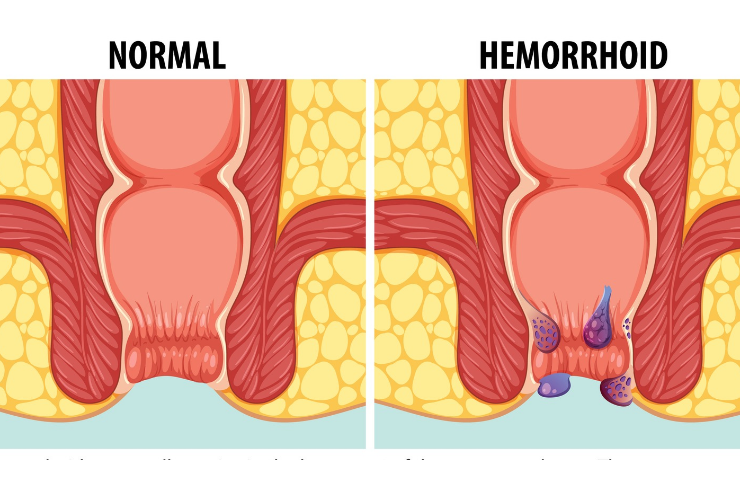
Stapler haemorrhoidopexy is a surgical procedure used to treat selected cases of prolapsing internal haemorrhoids, commonly known as piles. This condition occurs when enlarged haemorrhoidal tissue protrudes through the anus, potentially causing discomfort, bleeding, irritation and difficulty with daily activities. When conservative treatments are insufficient, a specialist may recommend a suitable surgical approach based on the severity of the condition.
At Laser Cure Piles in Hyderabad, patients can consult Dr. Naresh Kumar, Laparoscopic, Laser and Anorectal Surgeon, for the evaluation and treatment of piles. The appropriate procedure depends on the type of haemorrhoids, symptoms, clinical findings and the patient’s medical history.
Haemorrhoids can cause different symptoms depending on their location and severity. Common signs include:
Bright red bleeding during or after bowel movements.
Tissue protruding from the anus.
Itching, irritation or discomfort around the anal area.
A feeling of incomplete bowel evacuation.
Mucus discharge or difficulty maintaining anal hygiene.
Pain or swelling, particularly when complications occur.
Rectal bleeding should not automatically be attributed to piles. A medical evaluation is important to confirm the cause and rule out other conditions.
Stapler haemorrhoidopexy is a surgical technique generally used for selected cases of prolapsing internal haemorrhoids. During the procedure, a specialised circular stapling device removes a ring of tissue from the rectum above the haemorrhoids and repositions the prolapsing tissue higher in the anal canal. This also reduces blood flow to the affected haemorrhoidal tissue.
Unlike conventional haemorrhoidectomy, the procedure does not primarily involve removing the external haemorrhoidal tissue. Its suitability depends on the patient’s diagnosis and the pattern of haemorrhoidal prolapse.
For appropriately selected patients, stapler haemorrhoidopexy may offer:
Less postoperative pain than conventional excisional surgery in some cases.
A shorter recovery period for certain patients.
Repositioning of prolapsing internal haemorrhoidal tissue.
An option when symptoms persist despite appropriate non-surgical treatment.
However, the procedure is not suitable for every type of piles. Recurrence and complications can occur, and some patients may benefit more from other treatments, including conventional haemorrhoidectomy or other appropriate procedures. A specialist consultation helps explain the benefits, limitations and risks.
Recovery varies depending on the patient’s condition and the procedure performed. Following medical advice about diet, hydration, bowel habits, prescribed medication and physical activity can support recovery. Patients should attend follow-up appointments and seek medical advice if they experience heavy bleeding, fever, worsening pain or difficulty passing urine.
Laser Cure Piles offers consultation with Dr. Naresh Kumar for piles evaluation and discussion of suitable surgical options, including stapler haemorrhoidopexy where clinically appropriate. Contact the practice in Hyderabad to understand your diagnosis, treatment choices and expected recovery before deciding on a procedure.